
Your commercial vent hood isn't really noticed until it stops working. When it does, your kitchen becomes unsafe — grease builds up, air quality lowers, and the health department may shut you down for a non-functional exhaust system.
Commercial vent hood repair isn't a matter of optional maintenance. It's the thing that will keep you open. This guide covers all aspects of repairing your commercial kitchen hood: exhaust fan failure, grease buildup, fire suppression faults, ductwork issues and a troubleshooting guide to refer to before contacting a technician.
What a Commercial Vent Hood System Actually Does
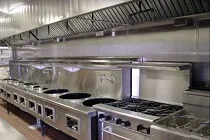
Restaurant owners know the hood pulls smoke away from the cooking line. What really surprises them is the sheer mechanical complexity hidden behind the stainless steel canopy - and how many different components have to work in concert for the whole system to function perfectly.
The core components of a commercial hood system
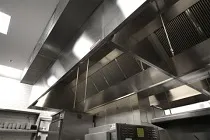
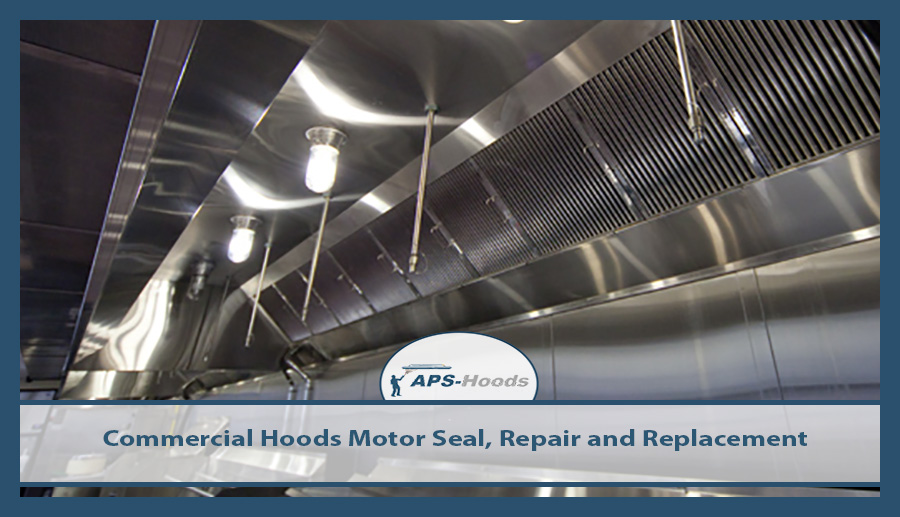
A commercial kitchen exhaust system really has six key parts. The hood canopy itself is the stainless steel capture structure over the cooking equipment. Behind it is the grease filter - baffle-style or mesh - which really channels the grease into a drip trough. Behind the filters is the plenum - a sealed chamber where the grease builds up before it's drained.
Starting from the plenum, the exhaust duct runs through the building to the rooftop exhaust fan or blower itself. The make-up air unit (MUA) replaces the air the fan is blowing out, which keeps the kitchen right at neutral pressure.
The fire suppression system - probably an Ansul system or one similar to a wet chemical setup - will be mounted inside the canopy and will auto-trigger if a grease fire starts. All six parts have to work together as one system: air flowing in, contaminants caught, air being blown out, and fresh air brought back in.
Why commercial hood systems fail
Grease accumulation is the single biggest failure reason - it really hampers airflow, really raises the fire risk and accelerates wear on the motor too. Motor and fan wear will follow from constant use in a very hot and greasy environment.
Electrical faults (failed capacitors, control boards, variable-frequency drives) account for a big chunk of the commercial vent hood repair calls themselves. Ductwork damage, make-up air imbalances and faults with the fire suppression system complete the picture. Restaurant exhaust hood repair for all these categories is covered below in the individual sections.
The Most Common Commercial Vent Hood Repairs
Most failures really fit into a familiar pattern. Catching them early really minimizes downtime and the costs of repair - and will keep the kitchen safely away from genuine fire risk. Here's what to look for and what each repair really involves.
Exhaust fan and blower motor failure
The exhaust fan never rests during every service in hot and greasy conditions. Symptoms will include no airflow at all, even when the hood is turned on, and a grinding or rattling sound coming from the rooftop unit itself. It could also be a motor that just hums but won't make its blade turn (because of a capacitor failure) - or the unit keeps tripping your circuit breaker all over again.
When repairing an exhaust fan in a commercial kitchen, a technician checks out the voltage and the capacitor first, then looks at the motor bearings and blower wheel for signs of grease buildup. Replacing the capacitor is really quite fast and very low-cost.
Replacing the commercial hood motor itself costs a bit more. A grease-covered blower wheel can be the sole reason for the whole system malfunctioning - in which case, exhaust hood blower repair isn't about buying parts, it's about cleaning them.
Grease filter replacement and plenum cleaning
Grease filters are one of the neglected areas of kitchen exhaust hood maintenance. Clogged baffle filters lead to reduced air flow, overworked motors and increased fire risks. Replacing hood filters at commercial kitchens involves removing, washing, examining and re-installing them or changing to new ones if they are damaged due to corrosion.
High-traffic commercial kitchens need to clean their filters every month; smaller establishments can keep track of them every quarter. Besides filters, the plenum also needs regular cleaning every month - excessive grease accumulation poses a direct fire risk and is a common reason behind grease hood repairs during health department checks. Commercial exhaust hood cleaning and repair services cover both filters and plenums under a single visit.
Ductwork repair and grease duct cleaning
The exhaust duct goes from the plenum through the building to the rooftop fan. Grease buildup in the duct leads to a major fire risk. NFPA 96 – the Indian standard for commercial kitchen ventilation systems – provides guidelines for cleaning the duct based on the intensity of cooking activity.
Most commercial kitchens require cleaning of the duct every six months. Damaged ducts need to be repaired or replaced, and may involve reconnecting broken sections of ducts or installing new ducts through walls. Grease duct cleaning job should be carried out by a reliable company that holds the necessary certifications and documents needed for health department approvals.
Make-up air unit repair and balancing
Many operating staff are unaware of its existence, but it forms a vital part of the commercial hood system. The make-up air (MUA) unit provides fresh air to replace the air pulled out by the exhaust fan from the kitchen.
In case of any issue with the MUA unit, the kitchen experiences negative pressure conditions, resulting in difficulties in opening the doors, backflow of gases from gas stoves, and an apparent decrease in the functioning capacity of the hood despite proper working of the exhaust fan.
The repairs needed for the MUA unit include damaged heating elements, clogged filters, malfunctioning of the blower motor and a lack of balance. Commercial kitchen hood diagnosis requires skilled technicians with experience in handling commercial kitchen equipment – several cases of restaurant exhaust hood repairs relate to issues related to making up air balance.
Fire suppression system repairs and inspections
The fire suppression system (typically an Ansul system) is installed inside the hood canopy and above the cook line. NFPA 17A mandates regular inspections every six months. In case of any accidental discharge, malfunction or failure to pass the inspection, the commercial kitchen cannot operate lawfully until a qualified contractor repairs it.
Services provided for Hood Fire Suppression System includes clearing up of accidental releases, clearing of congested or wrongly positioned nozzles, outdated gas cylinders, and replacement of fusible links. Ansul system repair jobs can be done by certified fire protection contractors only. After any accidental discharge, thorough cleaning of the hood, ducts and all cooking equipment is essential before the fire suppression system can be repressurized.
Electrical and control system faults
The modern commercial hoods have control panels, variable-frequency drives (VFDs) - devices to manage the speed of the fans depending on the cooking activity, and sometimes integration with building management systems. Electrical problems include faulty circuit boards, blown fuses, faulty VFDs and damaged wires due to heat or rodent infestations.
Symptoms can vary from a situation where the lights are functional, but there is no sound from the exhaust fan, to occasional activation of the fan motor, to an entirely non-functional appliance.
If your commercial kitchen hood suffers from electrical faults, we provide services including voltage checking, capacitor testing, and identifying VFD error codes. Most of the electrical issues are related to the replacement of individual components and not entire systems.
Commercial Vent Hood Troubleshooting Guide
Before contacting a technical support professional, performing a quick system survey can enable us to understand what is wrong with the system and help describe the issue accurately when we get in touch. The required gadgets needed for this process are zero! All it needs is to give attention to what the system is currently doing.
Hood turns on but has no airflow
Step 1: Head up to the rooftop unit and confirm that the exhaust fan itself is indeed running. Listen out for the motor sound and feel for airflow near the exhaust outlet.
Step 2: Have a look at the grease filters - if they are severely blocked, it will drastically reduce airflow even at full fan speed.
Step 3: Ensure that the make-up air unit is operational as well. If the fan is running but the airflow from the hood is very poor, suspect a grease-encrusted blower wheel or an unplugged duct section.
If the rooftop unit is completely silent, suspect either a failing motor or a defective capacitor. Vent hood troubleshooting will always start at the rooftop unit - not the control panel itself.
Excessive smoke or grease escaping the hood
Smoke escaping the area where it should be captured is a major health code problem and a customer complaint all in one. Most cases are covered by three possible causes - clogged grease filters reducing the flow of exhaust (get these cleaned first - it's at no cost to you); make-up air imbalance creating turbulent air currents at the hood face which will actually push smoke outwards (requiring a technician and a balancing operation itself); or an undersized hood installed for the equipment below (a capital project and a very different matter from a grease hood repair itself).
Unusual noise from the hood or rooftop fan
Noise itself is really quite diagnostic information - treat it that way. Grinding sounds from the rooftop unit indicate that the bearing is faulty - get a technician over before the motor seizes up. Rattling indicates loose parts or foreign material in the blower wheel itself. Squealing sounds on belt-driven systems point to belt wear. Low-frequency vibrations through the ceiling point to worn-out mounting isolators themselves. Spotting a bearing failure at the early stages could save a fraction of the cost of a complete commercial hood motor replacement itself.
Hood lights are working, but the fan isn't running
This symptom really isolates the fault to the fan circuit itself. First, check the breaker or disconnect for the rooftop unit itself. Check the control panel for error codes. If the kitchen is fitted with a VFD, check out the display. On single-phase motors, test the capacitor - a $20-$80 item that takes only 30 minutes to fit. Most commercial hood repair calls in this category boil down to a tripped breaker, a dead capacitor, or a failed VFD itself. In this scenario, hood vent repair will hardly ever require major components.
Commercial Vent Hood Repair Costs - What You Can Expect
The first thing any operator wants to know when the hood goes down is how much it will cost. Repair costs vary depending on the part, extent of work required, and the market conditions - but the ranges mentioned here provide a good basis to assess any quote received.
Repair Cost Ranges Based on Components
- Replacing grease filters: $25-$80 per filter
- Cleaning plenums as part of a service visit: $150-$400
- Replacing capacitors, including labour: $150-$350
- Replacing fan motors: $400-$900
- Complete fan assembly: $800-$2,500 or more
- Replacing VFDs: $500-$1,500
- Repairing ductwork: $300-$1,500, dependent on the scale of the job
- Recharging fire suppression system after discharge: $800-$2,000 or more, including cleaning works
- Semi-annual fire suppression system check-up: $150-$350
Service visits during night shifts or weekends may come with a 50-100% surcharge – particularly relevant for restaurants operating 7 days a week.
Repair vs. Replace - How to Decide
Restaurant exhaust hood repair ceases being financially sensible at some point. Factors include age (canopy hood: 15-25 years; fan unit: 10-15 years with regular servicing), the frequency of repairs (frequent repairs indicate that a system has reached the end of its useful life) and energy efficiency. Sometimes, code compliance (older systems that won't be able to meet present NFPA 96 standards makes repair just a short-term fix.
A good benchmark is this: if the quote to repair is more than 50% of the cost to replace and the equipment is over 10 years old, then deciding to replace your commercial hood equipment would be a better investment.
Conclusion
Commercial vent hoods are important safety and compliance equipment. Knowing about their different parts, identifying potential problems early and taking action before small issues lead to complete breakdowns are necessary habits to ensure commercial kitchens operate smoothly.
Do You Have Issues with Your Exhaust Hood Motor?
If the exhaust fan of the range hood in your commercial kitchen is not working in the most efficient manner, the system has an issue. Ignoring the symptoms or delaying the seal, repair or replacement of the hood moto can cost you dearly. So, you should take professional help before it is too late. At APS Hoods, we do not just repair and replace range hood motors but also have different types, sizes and models of motors on sale to suit your specific requirements.
Give our Denver, Colorado, office a phone call or write us an email to talk to one of our commercial hood specialists.
Some More Post Related:
https://www.aps-hoods.com/the-definitive-guide-to-cleaning-commercial-kitchen-hood/ https://www.aps-hoods.com/signs-your-vent-hood-fans-need-cleaning-andor-replacement/ https://www.aps-hoods.com/all-you-need-to-know-about-restaurant-hood-maintenance-to-protect-your-investment/
Contact Us
The business of a restaurant revolves around its kitchen. Having your commercial kitchen fully functional at all times is a prerequisite to keeping both your customers and your employees happy and safe. Through our professional kitchen equipment repair, cleaning, and installation services, we can help you keep your kitchen stations squeaky clean and well-maintained, year after year. If you plan to improve safety, avoid future disasters, and add more years to your commercial kitchen equipment and systems, we should definitely talk and work together.