
In the high-pressure environment of a commercial kitchen, the ventilation system is the silent partner that ensures safety, air quality, and operational efficiency. However, because much of the system is "out of sight," it is often "out of mind"—until a failure occurs.
At APS-Hoods, led by Founder and CEO Massoud Farazandeh, we have spent over three decades perfecting the science of kitchen exhaust maintenance. We don't just "wipe down" hoods; we provide deep-cycle restoration that protects your investment and your staff.
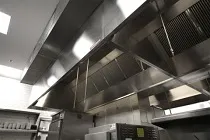
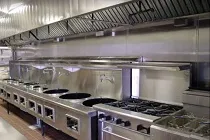
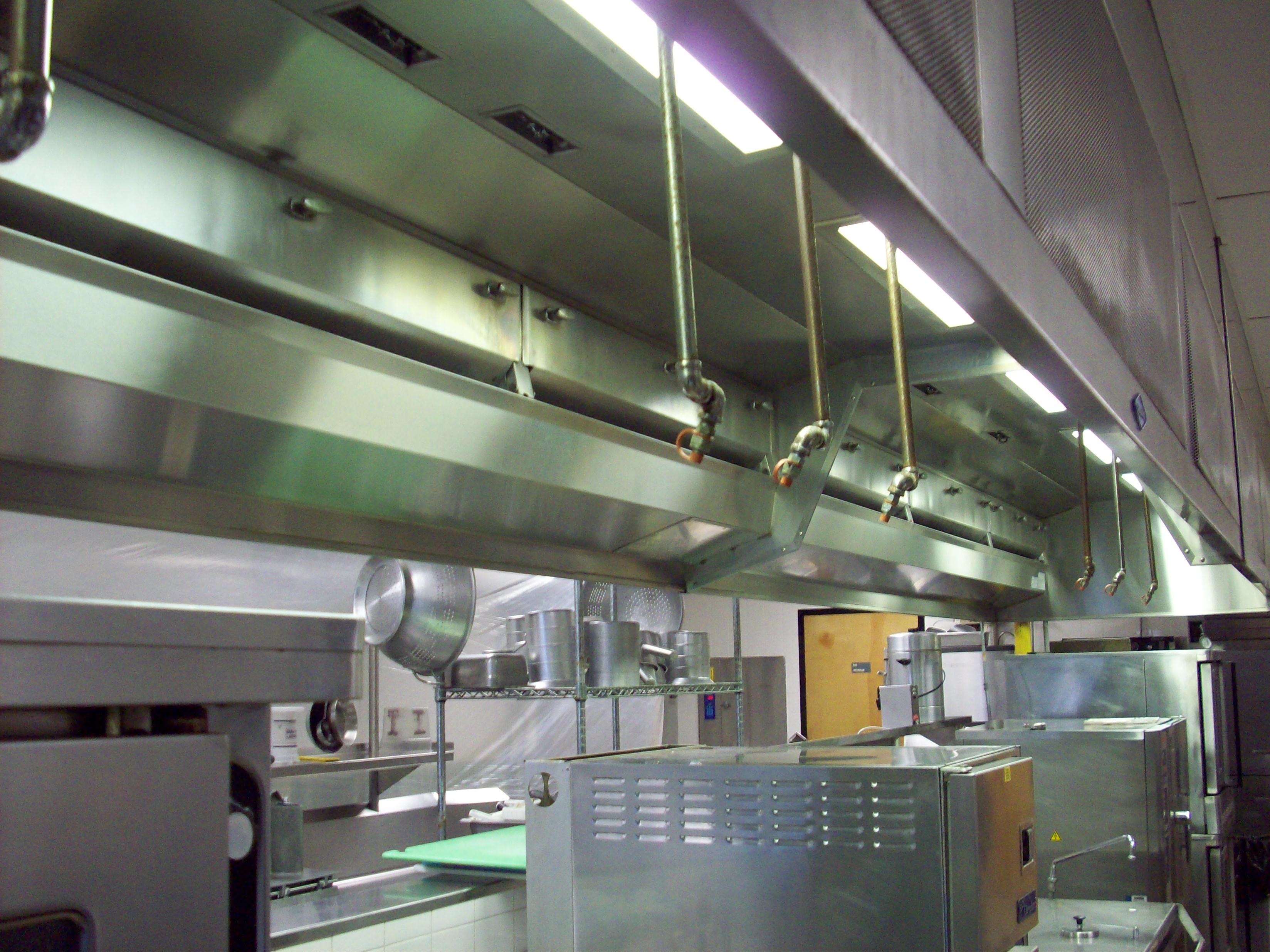
A commercial vent hood is designed to capture heat, smoke, grease-laden vapors, and combustion products. A clean system ensures that these bypass-products are safely exhausted outside the building. When the system becomes clogged or the fans lose efficiency, the entire kitchen ecosystem collapses.
The NFPA 96 Standard
The National Fire Protection Association (NFPA) 96 is the "bible" of kitchen ventilation. It mandates specific cleaning frequencies based on the volume of cooking. Failing to meet these standards doesn't just result in fines—it can void your insurance policy in the event of a fire.
2. Signs Your Vent Hood Needs Immediate Cleaning
Waiting for a scheduled appointment isn't always enough. High-volume kitchens may need intervention sooner than expected.
Visible Grease Buildup and "The Drip"
If you see grease dripping from the edges of the hood or pooling in the filters, you are already in a "high-risk" zone. This "liquid fuel" is the primary cause of catastrophic kitchen fires.
Excessive Smoke in the Kitchen
If your line cooks are squinting through a haze of smoke or if the "blue flame" of your ranges looks ragged, your exhaust pull is insufficient. This is often caused by a layer of solidified grease on the fan blades, which reduces aerodynamic efficiency.
Lingering Odors
A properly functioning vent hood should clear food odors within minutes. If yesterday's fried fish smell is still present when you open the kitchen in the morning, your system is failing to exchange the air properly.
3. The Anatomy of a Professional Cleaning
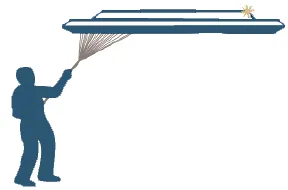
A "surface clean" is a cosmetic fix. At APS-Hoods, we follow a rigorous multi-step process that cleans from the "stove to the roof."
Step 1: Protection of Equipment We drape all kitchen equipment in heavy-duty plastic to ensure that the cleaning process doesn't contaminate your surfaces or appliances.
Step 2: Baffle Filter Degreasing Filters are removed and soaked in specialized tanks using food-safe, heavy-duty degreasers.
Step 3: Ductwork Power Washing This is where most "bargain" cleaners cut corners. We access the horizontal and vertical ductwork through access panels. Using high-pressure hot water (3000 PSI at 200°F), we strip the grease down to the bare metal.
Step 4: The Exhaust Fan The fan on the roof is the most critical component. We clean the fan blades (impeller), the housing, and the grease drainage system.
"You can't just clean what the health inspector sees. The real danger is in the fan and the ductwork. If you leave a quarter-inch of grease on those fan blades, you're looking at an imbalanced motor that will burn out within months. We clean for performance, not just for looks." — Massoud Farazandeh, CEO of APS-Hoods
4. Signs Your Vent Hood Fan Needs Replacement
Cleaning can restore airflow, but mechanical parts have a lifespan. Knowing when to stop repairing and start replacing is key to managing your overhead.
Unusual Noises: Squealing, Grinding, or Rattling
- Squealing: Usually indicates a worn or loose belt.
- Grinding: A sign of bearing failure. Once bearings go, the motor is soon to follow.
- Rattling/Vibration: This often means the fan blades are warped or have lost their balance due to uneven grease accumulation or "pitting" from age.
Recurring Electrical Failures
If you find yourself constantly resetting the breaker for the exhaust fan, the motor is likely drawing too many amps. This happens when the motor has to work too hard to spin a heavy, grease-laden fan.
Age and Efficiency
If your fan is over 10-15 years old, it is likely an energy hog. Modern fan motors are significantly more efficient, often paying for themselves in reduced utility bills within 24 months.
5. The Dangerous Relationship Between Grease and the Roof
One of the most overlooked aspects of vent hood maintenance is the roof. When a fan isn't cleaned properly, grease leaks out of the fan housing and onto the roofing membrane.
The "Roof Rot" Phenomenon
Kitchen grease is acidic. Most commercial roofs are made of thermoplastic (TPO) or rubber (EPDM). When grease sits on these surfaces, it chemically breaks down the material, leading to:
- Bubbling of the roof surface.
- Structural leaks.
- Attracting pests (rats and cockroaches) to the roof.
The APS Solution: Grease Containment
During our cleaning and replacement services, we inspect your grease containment system. We install specialized "curb boxes" with high-absorbency filters to ensure that only clean water—not grease—enters your storm drains.
6. Why "DIY" Cleaning is a Liability
Some restaurant owners attempt to have their staff clean the hoods. This is a mistake for three reasons:
- Incompleteness: Staff cannot safely access the roof or the internal ductwork.
- Safety: Working with high-pressure steam and caustic chemicals requires specialized training and PPE.
- Certification: Most fire marshals require a "Certificate of Performance" sticker on the hood, signed by a certified technician. Your staff cannot provide this legal documentation.
"I've seen too many good restaurants closed down by the fire marshal because they tried to save a few dollars by doing it themselves. When we sign that sticker, we are taking the responsibility for that kitchen's safety. That's a burden I don't want a restaurant manager to have to carry." — Massoud Farazandeh
7. Recommended Cleaning Frequencies
Based on NFPA 96 standards, here is how often you should call APS-Hoods:
- Solid Fuel (Wood/Charcoal): Monthly.
- High-Volume (24-hour kitchens/Charbroiling): Quarterly.
- Moderate Volume: Semi-Annually.
- Low Volume (Churches/Seasonal): Annually.
8. The APS-Hoods Advantage: Experience You Can Trust
When you choose APS-Hoods for your vent hood cleaning and fan replacement, you aren't just getting a service provider; you're getting a partner with over three decades of mechanical expertise.
What We Deliver:
- Full Documentation: Before-and-after photos for your records and insurance.
- NFPA 96 Compliance: Guaranteed to pass any fire or health inspection.
- Mechanical Integrity: We check the belts, bearings, and motors during every cleaning.
- National Reach: We bring "The APS Standard" to kitchens across the country.
Ready to Secure Your Kitchen?
Don't wait for a smoke-filled dining room or a visit from the fire marshal to address your ventilation. Whether you need a deep chemical cleaning or a full fan replacement, APS-Hoods has the expertise to get the job done right.
Contact APS-Hoods today at (800) 750-7055 for a free consultation. Let us keep your kitchen running cool, clean, and safe.
Contact Us
Get a Free Quote Today — No Obligation
Denver's most trusted commercial kitchen service team is ready to help. We respond fast, work around your schedule, and guarantee every job.
- ✓Same-week service — we work around your hours
- ✓100% satisfaction guarantee — or we come back for free
- ✓Certified technicians — NFPA-compliant, licensed & insured